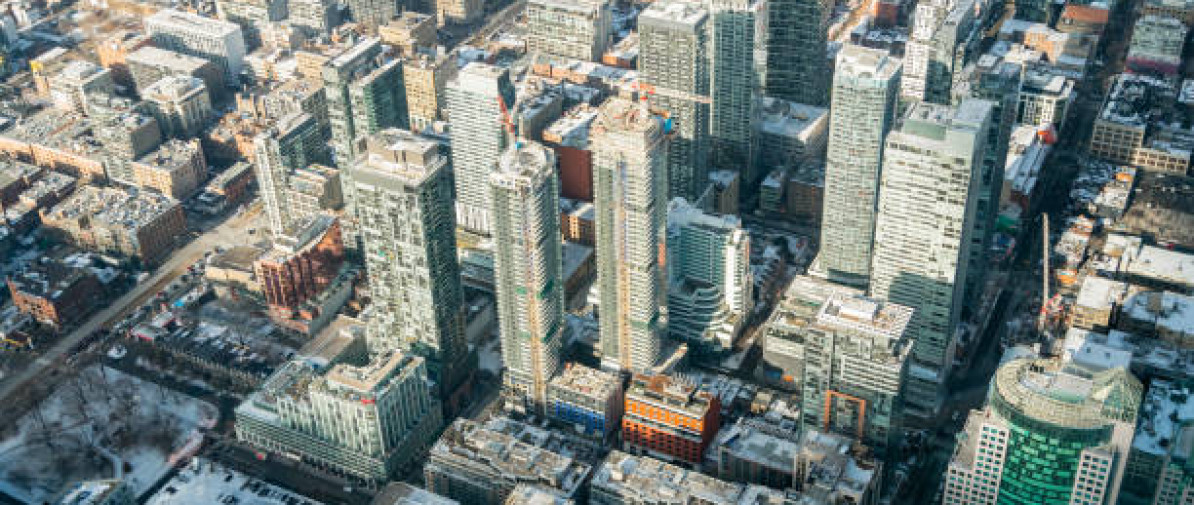
First-Time Home Buyer guides in Ontario

the first time home buyer guide in Ontario, Canada, is an exciting step toward financial security and independence. Whether you're moving to Toronto, Mississauga, or smaller cities like Burlington or Oakville, the process of buying your first home can feel overwhelming. From understanding mortgage loans to government grants, there's a lot to learn. This detailed guide is written specifically for first-time home buyers in Ontario, helping you navigate financing options, eligibility criteria, and the best practices to secure your dream home in 2025. When you are buying your first home in Ontario, it’s essential to explore all available financing options. Different lenders offer various types of mortgages, and understanding them can help you make informed decisions.
Explore: Pre-construction listings Fixed-rate mortgages: The interest rate stays the same throughout the term, providing financial predictability. Variable-rate mortgages: The rate changes with market fluctuations, which could lead to lower payments but more risk. Open mortgages: Allow you to repay anytime without penalties, offering flexibility if you plan to sell or refinance early. Closed mortgages: Offer lower rates but come with restrictions on how and when you can repay the loan. Evaluate your income and job stability Determine how much risk you’re willing to take Check rates from multiple lenders Work with a mortgage broker who understands local markets Ontario has a competitive mortgage landscape, so take your time to shop around before committing. Starting your mortgage journey as a beginner means learning the process step by step. Here’s how you can approach it: A higher credit score increases your chances of getting a better interest rate. A score above 700 is ideal. A mortgage pre-approval lets you know how much a lender is willing to loan you. It also shows sellers you are serious. Proof of income (pay stubs, tax returns) Bank statements Employment verification Debt information Look at rates, down payment requirements, penalties, and loan terms. Don’t just pick the first option—comparison helps you save. Saving for a down payment is one of the biggest hurdles for first-time home buyers. Here’s how Ontario’s programs can help. 5% down payment for homes priced up to $500,000 5% on the first $500,000 and 10% on the portion above $500,000 for homes over $500,000 Automate savings from your paycheck Reduce unnecessary expenses Take advantage of tax-free savings accounts (TFSAs) and RRSPs Explore first-time buyer grant programs early in the process Government programs can significantly reduce your upfront costs. These programs are designed to help new homeowners transition smoothly into homeownership. This incentive helps reduce monthly mortgage payments by offering a shared equity loan of 5% for resale homes and up to 10% for newly constructed homes. Withdraw up to $35,000 from your RRSP without penalty. The money must be repaid within 15 years. Both provincial and municipal governments offer rebates to first-time buyers. For example, in Toronto, you can get up to $4,475 back. Some cities also offer local grants for energy-efficient homes or those in affordable housing projects. Speak with your mortgage advisor for personalized recommendations. If you're buying a home in the Greater Toronto Area (GTA), it’s important to consider the local market. Housing prices, transportation links, and neighborhood services vary from one region to another. Know your budget before you start browsing listings Choose a location that fits your lifestyle—near work, schools, or parks Work with a licensed realtor who understands the GTA housing market Understand closing costs like legal fees, inspection, and land transfer taxes Don’t rush decisions—inspect the property thoroughly before buying HomesByNeeta offers expert guidance and connects you with trustworthy real estate professionals across the GTA. Pre-construction homes are popular in cities like Toronto and Ottawa, offering modern designs and investment opportunities. However, financing them requires planning. Pre-construction projects require a deposit structure (often 20–25% of the total price in installments) Banks may offer construction loans or specialized mortgage products Interest rates may vary based on builder agreements Consider long-term affordability before committing Investing in pre-construction homes can lead to significant appreciation but requires careful financial planning. Finding a lender you trust is crucial. Some top lenders in Ontario include: 🏦 RBC Royal Bank – Offers competitive rates and personalized services Speak with multiple lenders and ask about rates, penalties, and assistance programs before deciding. Q1. Can I use my RRSP savings to buy a home in Ontario? Q2. How much down payment do I need for a home in Ontario? Q3. What is the First-Time Home Buyer Incentive (FTHBI)? Q4. Are pre-construction homes harder to finance than resale homes? Q5. How can I improve my mortgage approval chances?First-Time Home Buyer in Ontario – Complete Guide for 2025
Ontario Home Financing Options
Types of Mortgages:
How to Choose the Right Financing Option:
Mortgage Loans for Beginners
Step 1: Check Your Credit Score
Step 2: Get Pre-Approved
Step 3: Prepare Your Documents
Step 4: Compare Offers
Down Payment Assistance Ontario
Minimum Down Payment Rules:
Assistance Programs:
How to Save Faster:
Grants for Homebuyers in Ontario
First-Time Home Buyer Incentive (FTHBI)
Home Buyers’ Plan (HBP)
Land Transfer Tax Rebates
Other Grants and Assistance
Home Buying Tips in GTA
Key Tips:
Pre-Construction Home Financing
What You Need to Know:
Best Mortgage Lenders in Ontario
🏦 TD Canada Trust – Known for flexible mortgage options
🏦 Scotiabank – Offers digital tools to manage mortgages
🏦 BMO – Provides expert advice and first-time buyer solutions
🏦 CIBC – Offers special incentives for new homeowners
🏦 Meridian Credit Union & DUCA – Local credit unions offering personalized servicesFAQs – Financing Your First Home in Ontario
Yes! Through the Home Buyers’ Plan (HBP), you can withdraw up to $35,000 from your RRSP without paying taxes, provided you repay it within 15 years.
For homes up to $500,000, you need a minimum of 5%. For homes above $500,000, 5% applies to the first portion and 10% for the balance.
It’s a shared equity loan program that helps reduce mortgage payments, making homeownership more affordable for eligible first-time buyers.
They can be, due to staged payments during construction. However, lenders and builders often offer specialized financing plans and programs to assist.
Maintain a good credit score, limit debts, prepare your paperwork, and speak with a mortgage advisor to understand your options.
Contact me
Recent Posts

Resorts for sale in Ontario

How to Sell Commercial Property in Ontario

COMMERCIAL DEALS IN ONTARIO

Investing in Precon Toronto Condos

Multiplex Home

Building vs. Buying a Home